
Introduction
Ever picked up a Hayati vape and wondered where it came from? Not just which warehouse or retailer, but where it was actually made, tested, and packaged?
The manufacturing process behind Hayati vapes isn't some closely guarded secret. It's a multi-stage operation that spans design studios, production facilities, and rigorous testing labs. Understanding this process gives you insight into what you're actually buying.
Most vapers never think twice about how their devices come to life. They see the finished product on a shelf and that's enough. But there's a whole world of engineering, quality control, and logistics happening behind the scenes.
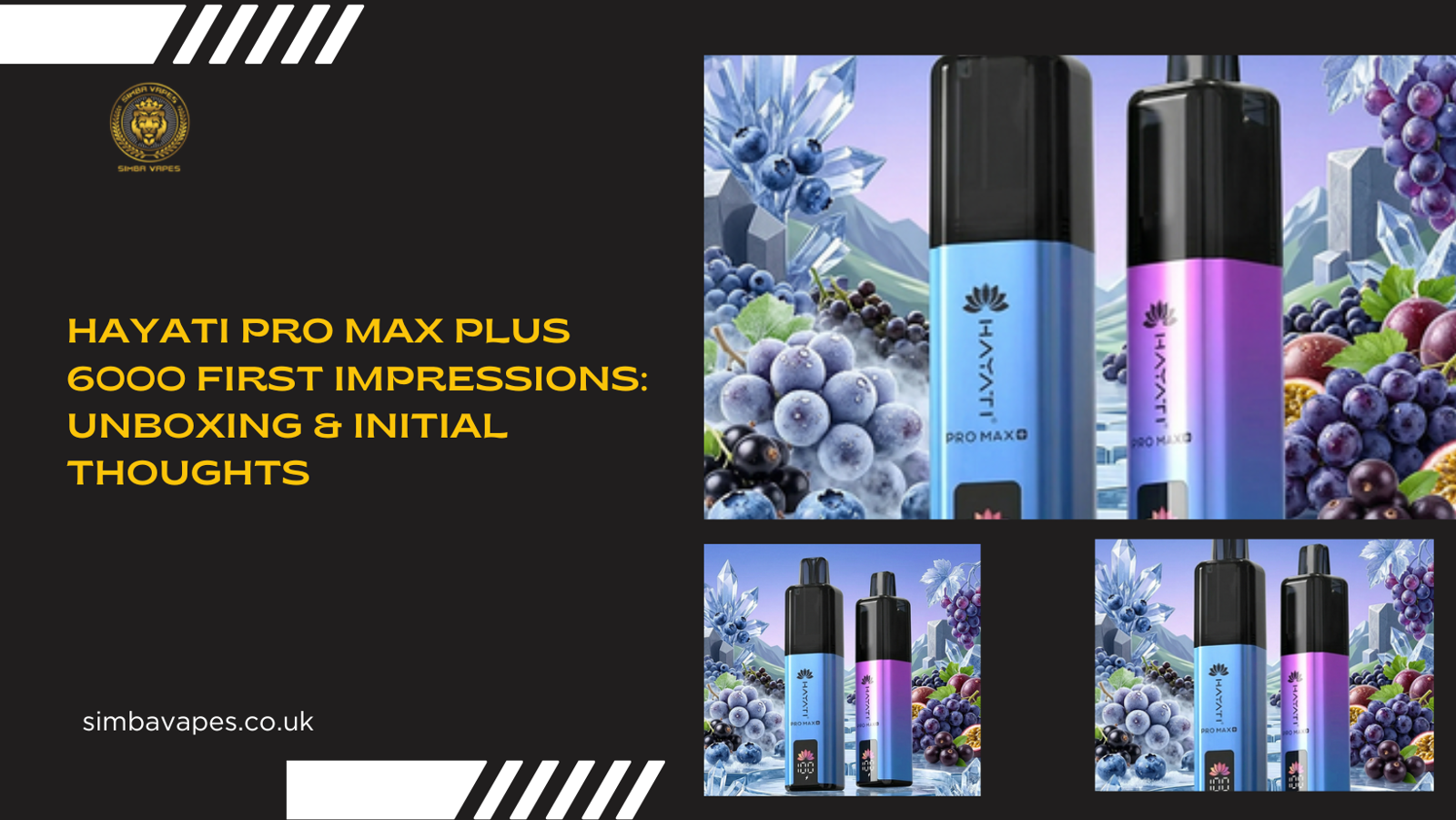
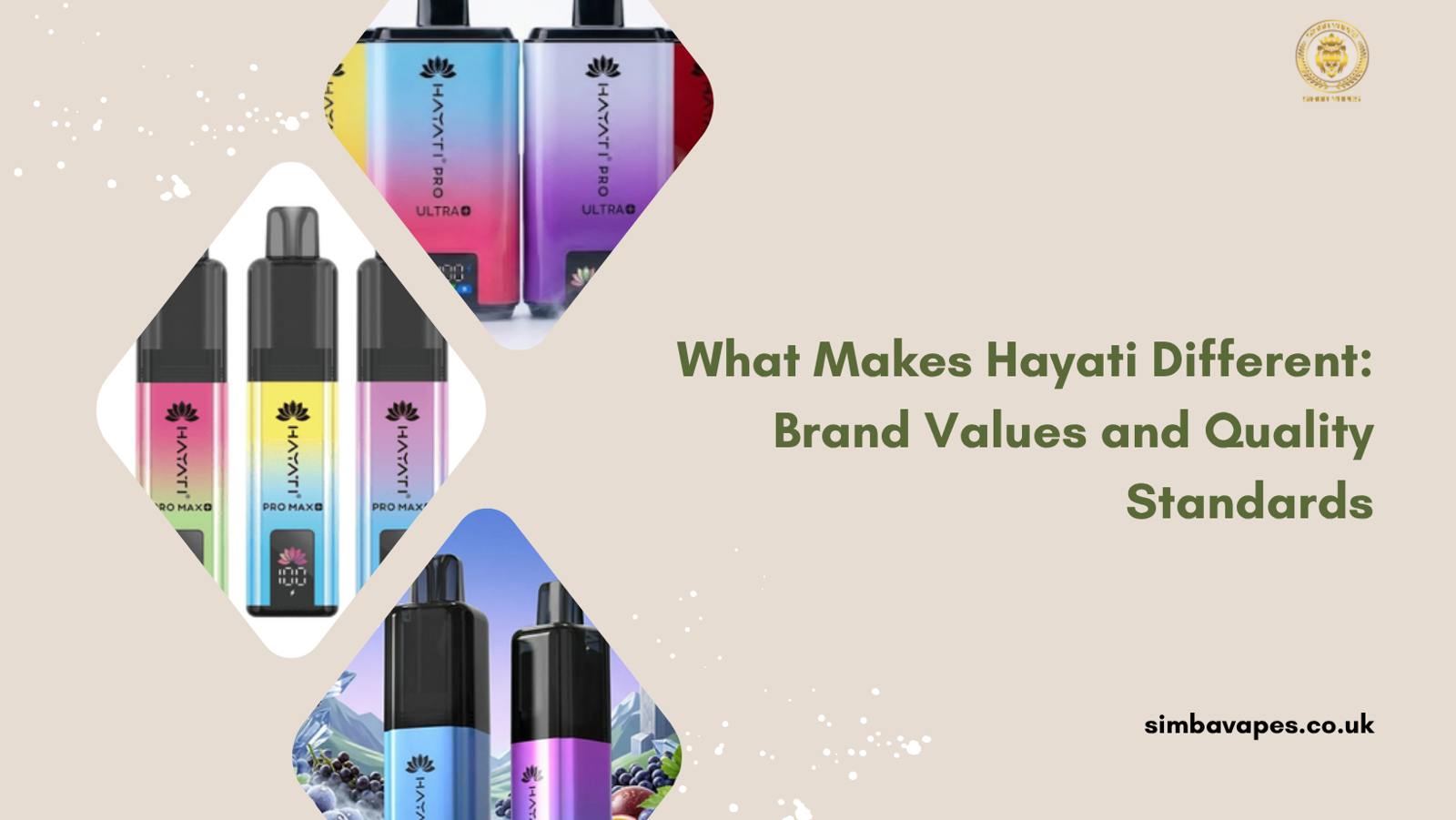
Let's pull back the curtain on how Hayati brings their products from concept to your hand. From the initial sketches of a Hayati pro max to the final inspection of Hayati kits, every step matters.
The Origins: Where Hayati Vapes Are Manufactured
Manufacturing Locations
Hayati Vapes are primarily manufactured in facilities across China, specifically in Shenzhen. This city has become the global epicentre for vaping technology and production.
Why China? Simple economics and expertise. Shenzhen hosts the world's largest concentration of electronic manufacturing infrastructure. The supply chains, skilled workers, and specialised equipment are all there.
Key manufacturing hubs:
Shenzhen, Guangdong Province (primary production)
Specialised component suppliers throughout the Pearl River Delta
Assembly facilities equipped with automated production lines
This isn't unique to Hayati. Most major vaping brands operate from the same region. The difference lies in how each company manages their production standards and quality control.
The Shenzhen Advantage
Shenzhen transformed from a fishing village to a tech powerhouse in just four decades. Today, it's home to over 12,000 electronics manufacturers.
For Hayati, this location offers several benefits:
Proximity to component suppliers: Everything from batteries to circuit boards is manufactured nearby
Skilled workforce: Workers trained specifically in electronics assembly
Advanced machinery: Access to the latest automated production equipment
Faster prototyping: New designs can be tested and refined quickly
It's like setting up a bakery next to a flour mill. Everything you need is right there.
Design and Development Phase
Concept Creation
Before any Hayati pod kit hits a production line, it starts as an idea. Design teams work on sketches, 3D models, and technical specifications.
This phase involves:
Market research to identify user needs
Competitive analysis of existing products
Feature planning based on consumer feedback
Initial cost projections and pricing strategy
The Hayati pro max, for example, didn't just appear overnight. It went through months of design iterations before anyone approved it for production.
Prototyping and Testing
Once designs are finalised, prototyping begins. Engineers create working samples to test functionality, durability, and user experience.
Prototype testing includes:
Drop tests to verify build quality
Battery performance under various conditions
Airflow calibration for optimal draw resistance
E-liquid compatibility checks
A prototype might look perfect on paper but fail miserably in real-world use. That's why this stage is critical. Better to catch problems now than after producing 100,000 units.
Regulatory Compliance Planning
Here's where things get technical. Every market has different regulations for vaping products. Hayati UK products, for instance, must comply with UK-specific standards.
This means:
TPD (Tobacco Products Directive) compliance for European markets
Proper labelling and packaging requirements
Child-resistant features where mandated
Restricted tank capacities in certain regions
Skipping this step leads to products that can't be legally sold. It's not optional.
Component Sourcing and Supply Chain
Battery Procurement
The battery is arguably the most critical component in any Hayati vape. These lithium cells come from specialised battery manufacturers, often located within 50 kilometres of the main assembly plant.
Battery suppliers must meet strict standards:
Certified safety ratings (UL, CE certifications)
Consistent voltage output across production batches
Proper thermal management capabilities
Longevity testing results
Hayati doesn't manufacture their own batteries. Few vape companies do. Instead, they source from reputable suppliers and test each batch rigorously.
Heating Element Manufacturing
Coils and heating elements require precision. The resistance, material composition, and winding technique all affect performance.
Mesh coils used in many Hayati kits are produced using specialised machinery that can maintain tolerances within 0.01 ohms. That level of precision ensures consistent flavour and vapour production.
Coil manufacturing steps:
Metal mesh cutting to specified dimensions
Resistance testing of raw materials
Wicking material integration
Final assembly and quality verification
A single batch might produce 100,000 coils. Each one needs to perform identically.
E-Liquid Production Facilities
E-liquid for prefilled Hayati pod kits comes from separate production facilities. These labs operate under strict hygiene and quality standards.
The process involves:
Medical-grade base ingredient sourcing (VG, PG)
Flavour concentrate formulation
Batch mixing in controlled environments
Laboratory testing for consistency and safety
Bottling and sealing
Think of it like a pharmaceutical production line. Cleanliness and precision aren't suggestions; they're requirements.
Plastic and Metal Components
Casings, mouthpieces, and structural elements come from injection moulding facilities. These suppliers create components based on Hayati's exact specifications.
Quality concerns include:
Material purity (food-grade plastics only)
Dimensional accuracy (parts must fit together perfectly)
Colour consistency across batches
Durability under stress testing
A mouthpiece that's 0.5mm off specification won't seal properly. That's the difference between a leak-free device and a customer complaint.
The Assembly Process
Automated Production Lines
Modern Hayati vapes are assembled using a combination of automated machinery and human workers. Robots handle repetitive tasks with precision, while humans manage quality control and complex assembly steps.
Typical assembly line stations:
Battery installation and connection
Circuit board placement and soldering
Heating element insertion
E-liquid filling (for prefilled units)
Casing assembly and sealing
Initial power-on testing
A single production line can assemble thousands of units per day. Speed matters, but accuracy matters more.
Quality Control Checkpoints
Throughout assembly, Hayati implements multiple inspection points. Not every device makes it to packaging. Defective units get pulled and analysed.
Inspection stages include:
Component inspection: Before assembly begins, parts are verified
Mid-assembly checks: Critical connections are tested during build
Functional testing: Completed devices undergo power-on tests
Leak testing: Prefilled units are checked for seal integrity
Final visual inspection: Cosmetic defects are identified and rejected
Industry standard reject rates hover around 2-5%. Hayati aims for the lower end of that spectrum.
Prefilled Pod Manufacturing
Creating a Hayati pod kit involves an additional layer of complexity. The pods themselves must be filled, sealed, and packaged separately from the battery units.
The filling process uses precision pumps that measure e-liquid to within 0.1ml accuracy. Too little and customers feel cheated. Too much and the pod might leak.
After filling:
Pods are sealed using ultrasonic welding
Each seal is pressure-tested
Filled pods are stored in climate-controlled areas
Final packaging pairs pods with battery units
This parallel production approach allows for flexibility. Battery units and pods can be manufactured simultaneously, then combined during packaging.
Quality Assurance and Testing
Safety Testing Protocols
Before any Hayati product reaches consumers, it undergoes extensive safety testing. This goes beyond basic functionality checks.
Safety tests include:
Short circuit protection verification
Overcharge prevention testing
Temperature monitoring under extended use
Drop tests from various heights
Water resistance checks (where applicable)
These tests aren't suggestions. They're requirements for legal compliance in most markets, especially Hayati UK products bound for European destinations.
Performance Validation
Does the device deliver what it promises? Performance testing answers this question objectively.
Machines simulate real-world usage patterns:
Automated puffing machines take thousands of draws
Temperature sensors monitor heating consistency
Flavour retention is evaluated over the device's lifespan
Battery performance is tracked from full charge to depletion
If a Hayati pro max claims 15,000 puffs, it better deliver that count under standard testing conditions. Overestimating puff counts damages brand reputation.
Batch Testing and Sampling
Not every single unit undergoes full testing. That would be impossible at production scale. Instead, manufacturers use batch sampling.
Here's how it works:
Each production run is divided into batches
Random samples are pulled from each batch
Samples undergo full testing protocols
If samples pass, the entire batch is approved
If samples fail, the entire batch is quarantined and investigated
One failed test can hold up thousands of units. It's expensive, but cheaper than a product recall.
Packaging and Labelling
Compliance Requirements
Packaging isn't just about looking good on a shelf. It must meet legal requirements for each destination market.
For Hayati UK products, this means:
Health warnings in specific font sizes and locations
Ingredient listings with proper formatting
Batch numbers and manufacturing dates
QR codes or verification systems (in some jurisdictions)
Child-resistant features where mandated
The packaging design team works closely with legal advisors to ensure every box meets regulations.
Anti-Counterfeiting Measures
Counterfeit vapes are a real problem. Fake Hayati products damage the brand and potentially harm users.
To combat this, genuine Hayati kits include:
Unique verification codes scratched off by consumers
Holographic stickers that are difficult to replicate
QR codes linking to authentication websites
Specific packaging features (embossing, special inks)
These measures aren't foolproof, but they raise the bar for counterfeiters.
Environmental Considerations
Packaging materials are chosen with disposal in mind. While vapes themselves create waste concerns, packaging can be more sustainable.
Hayati uses:
Recyclable cardboard for outer boxes
Minimal plastic in packaging design
Soy-based inks for printing
Compact packaging to reduce shipping volume
It's not perfect, but it's better than excessive plastic clamshells.
Distribution and Logistics
From Factory to Distributor
Once packaged, Hayati vapes move to distribution centres. This logistics network determines how quickly products reach retailers and consumers.
Distribution chain steps:
Palletising at the manufacturing facility
Transport to port facilities (usually Shenzhen or Hong Kong)
Ocean freight to destination countries
Customs clearance and import processing
Transfer to regional distribution centres
Final delivery to retailers or direct-to-consumer warehouses
For Hayati UK, this journey typically takes 4-6 weeks from factory completion to shelf availability.
Quality Control During Transit
Products don't just ship and hope for the best. Transit conditions can affect device quality.
Precautions include:
Climate-controlled shipping containers for sensitive batches
Impact sensors to detect rough handling
Inspection upon arrival at distribution centres
Batch tracking systems to identify problem shipments
A container that spent three weeks in 40°C heat might need additional testing before distribution.
Regional Warehousing
Hayati maintains regional warehouses in key markets. This reduces delivery times and allows for faster restocking.
UK warehouses, for instance, stock the most popular Hayati UK models. When a retailer places an order, it ships from Birmingham or Manchester, not Shenzhen. Customers get their Hayati pod kits in days, not weeks.
Regulatory Compliance and Certification
International Standards
Different countries impose different requirements. A Hayati vape legal in the UK might not meet US or Australian standards.
Key regulatory areas:
Maximum e-liquid capacity per pod
Advertising restrictions and claims
Age verification requirements for sales
Labelling and warning specifications
Testing and certification documentation
Manufacturers must stay current with changing regulations. What's legal today might be banned tomorrow.
TPD Compliance for UK Market
The Tobacco Products Directive governs vaping products across the European Union and, by extension, the UK market despite Brexit.
TPD requirements include:
2ml maximum tank capacity for prefilled devices
10ml maximum bottle size for e-liquid
20mg/ml maximum strength limits
Six-month advance notification of new products
Detailed ingredient reporting
Hayati UK products are designed from the ground up to meet these standards. Retrofitting non-compliant devices is far more expensive than building compliance in from day one.
Testing Certifications
Legitimate Hayati vapes carry multiple certifications proving they've passed safety and quality tests.
Common certifications include:
CE marking: Indicates European Conformity standards met
RoHS compliance: Restriction of Hazardous Substances in electronics
FCC certification: For devices with electronic components sold in US markets
UKCA marking: UK Conformity Assessed (post-Brexit requirement)
These aren't decorative. They're legal requirements backed by test documentation.
Continuous Improvement and Iteration
Feedback Integration
Manufacturing doesn't stop evolving once a product launches. Hayati monitors customer feedback, warranty claims, and performance data to identify improvement opportunities.
If a particular batch of Hayati pro max units shows higher-than-average failure rates, engineers investigate. Was it a component supplier issue? A change in assembly procedure? Environmental factors during shipping?
This feedback loop drives version improvements. The Hayati pod kit you buy today might have subtle differences from one purchased six months ago, even if the model name is identical.
Design Revisions
Based on real-world performance data, design teams make incremental changes. These aren't marketed as new models but implemented quietly in ongoing production.
Common revision areas:
Reinforcing weak points identified through warranty claims
Adjusting coil specifications for better flavour
Tweaking battery management for longer life
Improving seal designs to prevent leaks
It's like software updates, but for hardware. Each production run gets slightly better.
Supplier Audits
Component suppliers aren't set-and-forget relationships. Hayati (and their contract manufacturers) conduct regular audits of key suppliers.
These audits verify:
Continued adherence to quality standards
Proper working conditions in factories
Environmental compliance
Financial stability of the supplier
A supplier going bankrupt mid-production run creates chaos. Better to catch warning signs early.
Challenges in Manufacturing
Supply Chain Disruptions
The past few years have shown how fragile global supply chains can be. A single delayed shipment of batteries can halt production entirely.
Hayati, like all manufacturers, faces challenges:
Component shortages affecting production schedules
Shipping delays due to port congestion
Rising raw material costs
Geopolitical tensions affecting trade routes
Smart manufacturers maintain buffer stock and diversify suppliers. But you can't eliminate all risks.
Quality Consistency
Maintaining identical quality across millions of units is harder than it sounds. Slight variations in materials, ambient temperature, or worker fatigue can affect outcomes.
This is why automated processes are preferred where possible. Machines don't have off days. They don't rush because it's almost lunchtime.
Counterfeit Competition
For every genuine Hayati vape sold, there's likely a counterfeit version somewhere. These fakes undercut prices and damage brand reputation when they inevitably fail or perform poorly.
Fighting counterfeits requires:
Legal action against known counterfeiters
Consumer education about authentication
Cooperation with retail platforms to remove fake listings
Continuous improvement of anti-counterfeiting features
It's an ongoing battle with no permanent victory.
Frequently Asked Questions
Where are Hayati vapes actually made?
Hayati vapes are manufactured primarily in Shenzhen, China, within facilities that specialise in electronic vaping devices. The city's infrastructure and expertise make it the global centre for vape production.
Are Hayati products safe if they're made in China?
Manufacturing location doesn't determine safety. What matters is adherence to safety standards, quality control processes, and regulatory compliance. Hayati products undergo extensive testing and certification before reaching markets like the UK.
How long does it take to manufacture a Hayati pro max from start to finish?
From raw components to packaged product ready for shipping, the manufacturing process takes approximately 3-5 days. However, this doesn't include design time, component procurement, or distribution logistics.
Do Hayati kits go through quality testing?
Yes, multiple times. Components are tested before assembly, devices undergo functional testing during production, and batch samples receive comprehensive testing before shipment approval. This multi-stage approach catches defects before products reach consumers.
Can I verify my Hayati vape is genuine?
Authentic Hayati products include verification codes, usually under a scratch-off panel on the packaging. You can enter these codes on Hayati's official verification website to confirm authenticity.
Why do some Hayati UK products differ from versions sold elsewhere?
Different markets have different regulations. UK products must comply with TPD requirements, which affect tank capacity, strength limits, and packaging. These regulatory differences drive product variations across regions.
How does Hayati ensure consistency across production batches?
Through standardised manufacturing processes, automated assembly where possible, regular equipment calibration, batch testing protocols, and supplier audits. Consistency requires constant vigilance and process adherence.
What happens to defective units during manufacturing?
Defective devices are pulled from production lines, analysed to determine the cause of failure, and typically destroyed. The data from failures helps improve future production runs.
The Future of Hayati Manufacturing
Automation Trends
Manufacturing is moving toward increased automation. Future Hayati facilities might employ even more robotic systems for assembly, testing, and packaging.
Benefits include:
Higher production speeds
Better consistency
Reduced labour costs
Improved worker safety (robots handle hazardous tasks)
However, humans won't disappear from factories. Complex problem-solving and quality judgment still require human expertise.
Sustainability Initiatives
Pressure is mounting for more sustainable manufacturing practices. Future Hayati production might incorporate:
Recycled materials in device construction
Solar-powered manufacturing facilities
Reduced water consumption in production
Take-back programs for used devices
These changes won't happen overnight. They require investment, research, and sometimes regulatory changes.
Localised Production Possibilities
Could Hayati eventually manufacture in the UK or other Western markets? It's possible but unlikely in the near term.
Challenges include:
Much higher labour costs
Lack of established supply chains
Limited specialised manufacturing infrastructure
Smaller production volumes making it economically unfeasible
For now, Shenzhen's advantages are too significant to ignore.
Wrapping Up
The manufacturing process behind Hayati vapes is more complex than most users realise. From design studios in one location to assembly lines in another, quality labs, distribution centres, and finally retail shelves, each step requires coordination and expertise.
Understanding this process doesn't just satisfy curiosity. It helps you appreciate what you're buying. That Hayati pod kit in your hand represents months of design work, carefully sourced components, precision assembly, rigorous testing, and a global logistics operation.
Next time you pick up a Hayati product, you'll know it's not just a vape. It's the end result of a manufacturing process that spans continents, involves hundreds of workers, and relies on complex supply chains. Whether that makes you more or less impressed is up to you.
The vaping industry moves fast. Manufacturing processes that work today might be obsolete tomorrow. But the core principles remain: quality components, careful assembly, thorough testing, and getting products to customers who want them. That's the foundation Hayati builds on, one device at a time.
Original source: https://medium.com/@adamgilchrist8989/hayati-vapes-manufacturing-process-where-and-how-theyre-made-ba3aed42c5b0

Write a comment ...